
Skip to content

Fertility 101: In person event in Queenstown


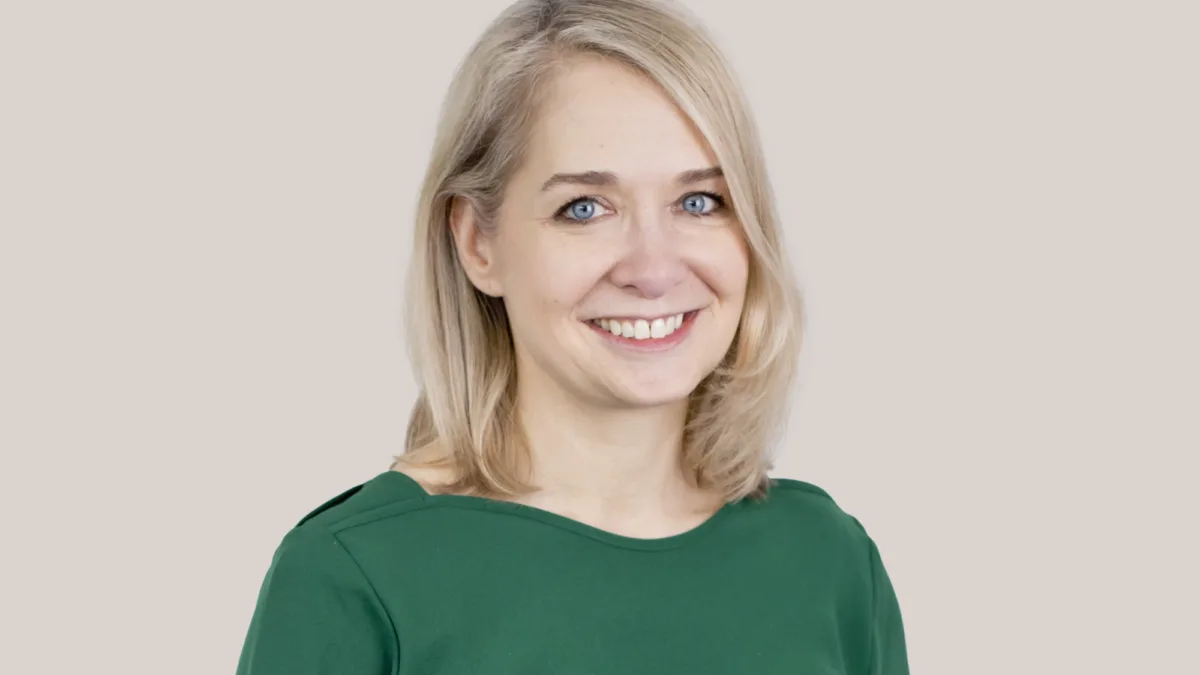
Host: Dr Natalie Burger
18 mars 2026 @ 6:30PM

Location: Sherwood Hotel, 554 Frankton Road, Queenstown

Join Dr Natalie Burger for an informative session designed to help you understand fertility and feel more confident about your next steps towards building a family. In a supportive setting, Dr Burger will explain key concepts in simple, clear language and give you space to ask questions.

In this session, Dr Burger will cover:

  • What infertility is and how the reproductive system works
  • The factors that can affect fertility for all genders
  • When it might be a good time to seek help
  • What to expect when you visit a fertility clinic
  • The kinds of fertility tests available and what they can tell you
  • Common fertility treatment options and how they work in real life
  • The support available to you throughout your fertility journey
Past webinars

30 septembre 2021 @ 7:30PM

Miscarriage: why it happened & what is next.

Host: Dr Sarah Wakeman
17 novembre 2021 @ 7:30PM

Endometriosis & Fertility.

Host: Dr Phill McChesney
24 mai 2022 @ 7:30PM

Navigating Your Fertility.

Host: Dr Michelle Bailey
23 février 2023 @ 7:30PM

Making Modern Families.

Host: Dr Olivia Stuart

When to seek advice early

  • If you have polycystic ovaries, endometriosis, or have been through a cancer diagnosis; we recommend you get in touch quickly so we can talk you through all your options and give you the greatest possible chance of success.
  • If you’re a single woman considering motherhood in the future; it’s best to approach us early and consider egg freezing as this can be an option for you while you have a higher ovarian reserve and healthier eggs.

Woman’s BMI below 19

Even in these modern times, nature knows best. If a woman's BMI falls below 19, the body senses famine and ovulation is switched off to prevent the risk of having a baby with malnutrition. Excessive exercise can reduce body fat and increase muscle mass to a point where periods cease for the same reason. Risk of miscarriage is also increased in women with a low BMI.

Being underweight

If a woman's BMI falls below 19, the body senses famine and ovulation is switched off to prevent the risk of having a baby with malnutrition. Excessive exercise can reduce body fat and increase muscle mass to a point where periods cease for the same reason. Risk of miscarriage is also increased in women with a low BMI.

BMI’s greater than 30

This can reduce fertility by 50%. Pregnancy for women with a 30+ BMI is often associated with problems such as maternal diabetes, high blood pressure, big babies and increased risk of caesarean section.

Add your height and weight to calculate your BMI